Skip to content

Pup, pet, and critter play is not, and does not involve or condone, bestiality. NCF-PAH and the community at large forbid and condemn it. See also What is pup / pet / critter play?.

A question often asked...

What is a Pup / Pet / Critter?

Headspace and a simpler mental state with fewer hooman jobs — that is what you make of it.

For a simplified description, a hooman pup/pet/critter is a person who places themselves into a headspace that sometimes mirrors that of our canine or other pet/critter companions. We seek a mental state that is simpler, and requires far less responsibility, than we often have to deal with in our regular daily lives. Beyond that, all attempts for rigid descriptions crumble. Outside of the tenets of responsible kink play, there are few if any hard rules. There are as many ways to express your pup/pet/critterhood as there are breeds and jobs for biopups (what we affectionately call genetic canines) multiplied by all the colors of our own self-expression.

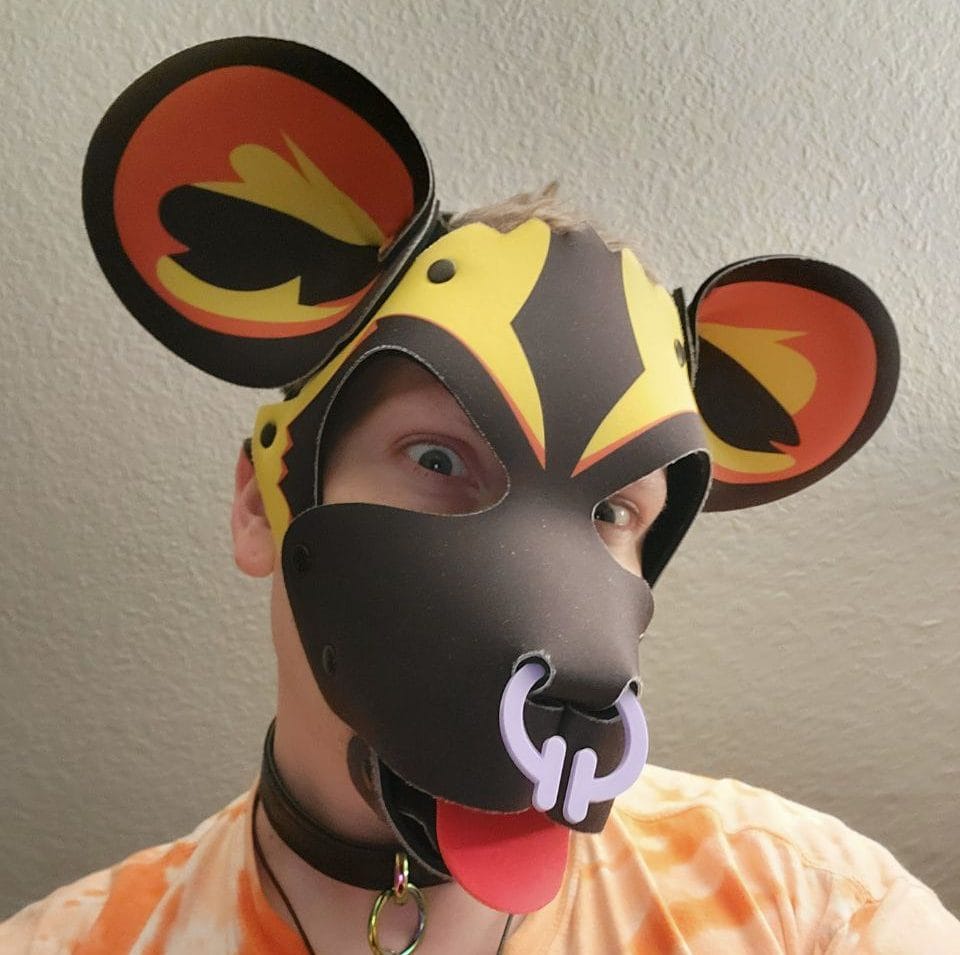
Community member in a pup hood

Hooman pup/pet/critter play has its roots in leather and BDSM culture, but chafes under the pull of formal rules and restraint. Upon initial introduction, one might never draw the relation between pup/pet/critter play and its founding kinks. You can be a pup/pet/critter without a Handler, without a Pack, without gear. Your environment and resources do not make you a pup/pet/critter. Neither is it a status bestowed upon you by another. The only person who can decide that you’re a pup/pet/critter is you, and you do not need validation from anyone else.

Those hooman things

Rules, guides, suggestions

Consent

This is the only solid rule, and it applies to all kink and all situations. You should never engage in behavior without consent. Consent can be withdrawn at any time. In pup/pet/critter headspace, obtaining consent can be murkier than when you can simply ask if something is okay. Approach interactions with restraint and caution. Be aware of and respectful of body language or verbal cues from other pups/pets/critters. When possible, ask for boundaries and comfort zones before entering headspace with new people. Your consent is equally important: some people will not ask before touching, petting, or trying to command you. It is okay to set the line before you drop. Nothing breaks headspace faster than suddenly feeling unsafe.
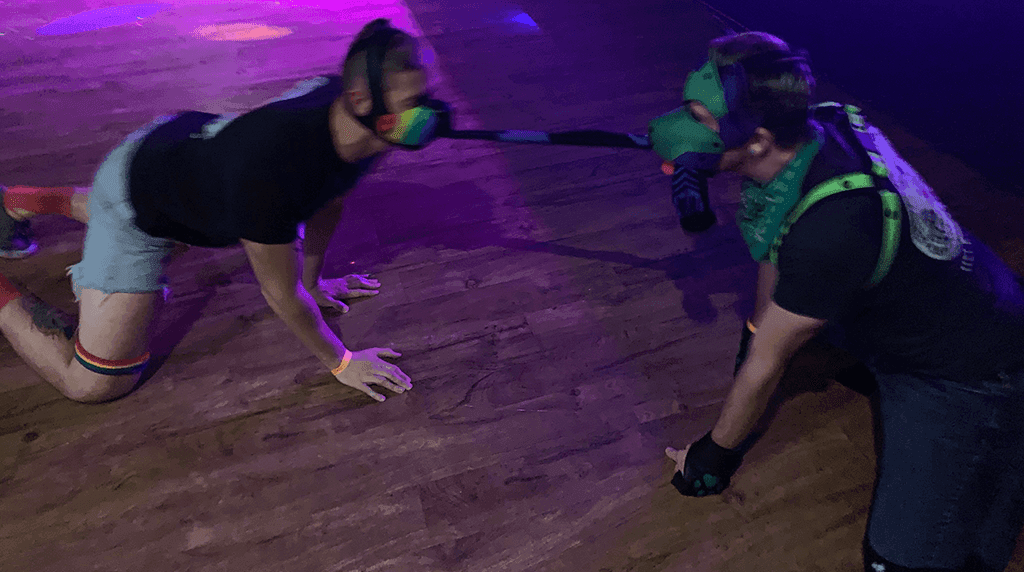
Safe Spaces are important

Some people push to make every public space pup-friendly. The idea is appealing, but headspace is a vulnerable state. Public parks are not automatically pup-friendly, and not everyone wants a puppy in their favorite one. In public locations there is an increased likelihood for conflict or animus. You need a room where you can be in pup/pet/critter headspace without unnecessary injury or conflict: your own home, a comfortable private setting, or an accepting public space where a like-minded community will actually look after you.

Gear doesn’t make the pup

You do not need a hood, tail, or harness to be a pup/pet/critter. The only things we keep recommending are padded gloves and knee pads — floors are real, and that is safety gear, not a dress code. Even those are not required. A hood might help you settle into headspace; it still will not stop the ground from turning your knuckles and knees into kibble.

Packs, preferences, pup society

Labels are subjective. Ask anyway.

Packs are groups of pups, pets, and critters who function as a unit for the betterment of everyone involved. Some are sexual, some social, some family. The decision to build or join a pack should not be taken lightly. NCF-PAH itself is a community without the commitment of a pack.

Pack roles are hotly debated. Many people simply describe them as Alpha = top, Beta = switch/vers, Omega = bottom/sub. For some of us, pack roles are not synonymous with sexual role preference. You can pack up without ever being sexual with one another.

Alphas

Leaders and protectors of the pack. They do not have to be demanding or controlling. Any power an Alpha has is ultimately derived from the rest of the pack, since one can only lead others if they place their trust and belief in you.

Betas

The middle of the machine. These pups step up when needed, or take instruction when that is the job. Typically they answer to Alphas and/or Handlers or trainers; responsibilities vary with comfort level and pack structure.

Omegas

The workpups. They want instruction and tasks. Most Omegas are uncomfortable holding responsibility for other pups, pets, and critters. They get their joy from fulfilling others.

Gammas

Protectors and guard dogs. They may sit with a pack but often exist outside a strict hierarchy. Their focus is keeping others safe.

Other role types will show up over time. Do not hang the whole identity on a label — they vary by group, region, pack, and person. If you are not familiar with something, ask.

NCF-PAH community photograph
Photo by Chris Mastic

TL;DR

Consent matters. It’s your kink - make it what you want. Have fun. Don’t be hung up on labels. Ask questions. Don’t rush into it. Arruff, ruff, ruff… Bork, bork, bork.

— Puppy Stolas, founding member of NCF-PAH

Related edition: flcritter.com/what-is-critter.